
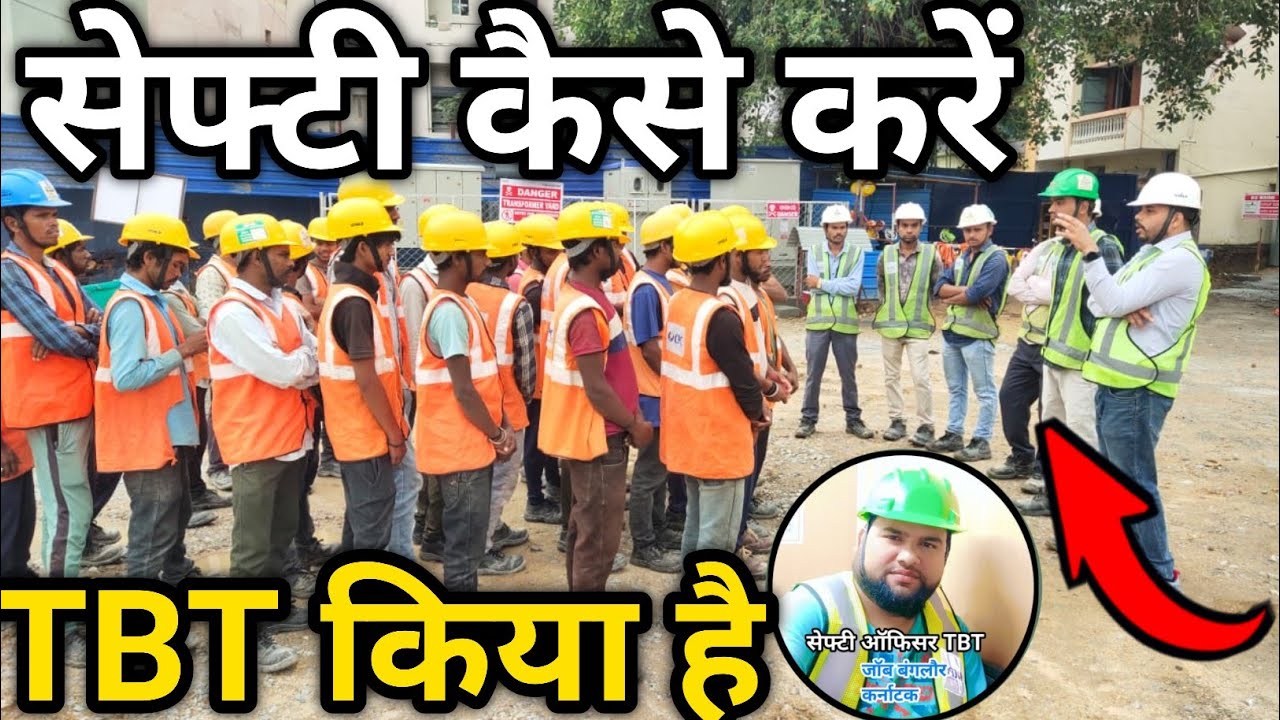
Workers gather in a tight circle near the back of a construction trailer, hard hats in hand, listening as a supervisor walks through slips, trips, and falls. There’s no PowerPoint, no lengthy slides—just direct, focused dialogue. This isn’t just another meeting. This is a toolbox talk conducted.
And when done right, it’s one of the most powerful tools in a safety manager’s arsenal.
But too often, these brief safety huddles become check-the-box rituals. Sign-in sheets are filled, topics are recycled, and within minutes of dispersing, workers forget what was said. That’s not a toolbox talk conducted—it’s a performance.
Real impact comes not from going through the motions, but from creating meaningful, relevant, and actionable conversations that stick.
Let’s break down what it truly means when a toolbox talk is conducted, how to run one effectively, and why the details matter.
Why Conducting a Toolbox Talk Matters More Than You Think
A toolbox talk is a short safety meeting—typically 10 to 15 minutes—held at the job site before work begins. Its purpose is to reinforce safe behaviors, address current hazards, and keep safety top of mind. But conducting one isn’t just about timing or attendance. It’s about relevance, engagement, and follow-through.
When a toolbox talk is conducted effectively: - Workers are reminded of specific risks tied to that day’s tasks - Supervisors can correct misunderstandings in real time - Teams build shared accountability for safety - Near-misses or incidents are less likely
For example, a crew prepping for roofing work should hear about fall protection, not general PPE. A team starting excavation needs updates on soil stability and underground utilities—not a repeat of last month’s fire safety briefing.
Generic topics = wasted time.
The best toolbox talks are hyper-localized. They reflect the weather, the task, the equipment, and the team’s recent behavior.
Key Elements of a Properly Conducted Toolbox Talk
Not all safety huddles are created equal. A properly conducted toolbox talk includes these non-negotiable elements:
#### 1. Clear Purpose Each session must have a defined objective. Is it to prevent heat stress during a summer pour? To reinforce lockout/tagout procedures before maintenance? The topic should answer a real, immediate need.
#### 2. Active Participation No monologues. Workers should be encouraged to speak—sharing observations, asking questions, or recounting close calls. Silence is a red flag.
“If everyone’s just nodding along, you’re not conducting a talk. You’re giving a lecture.” — Safety Coordinator, Infrastructure Contractor
#### 3. Site-Specific Content Tailor the discussion to the day’s work. Talking about crane safety when no crane is on site? That’s not relevant. Workers tune out fast.
#### 4. Documented Attendance and Topic Sign-in sheets aren’t just for compliance—they’re accountability tools. They confirm who heard the message and when. Digital logs are even better, allowing for quick audits and trend analysis.
#### 5. Follow-Up Actions Was a faulty ladder reported? Was a hazard flagged? A conducted toolbox talk doesn’t end when the team disperses. It includes a plan to address raised concerns—ideally with a named owner and deadline.
Common Mistakes That Undermine a Toolbox Talk
Even experienced supervisors fall into traps that weaken the impact of these critical sessions.
| Mistake | Consequence |
|---|---|
| Repeating the same topics monthly | Workers disengage, treat it as routine |
| No worker involvement | Misses on-the-ground insights |
| Reading from a script | Feels impersonal and robotic |
| Conducting in poor conditions (e.g., wind, noise) | Key points get lost |
| No follow-up on reported issues | Erodes trust in the process |
One electrical contracting firm discovered that 70% of their near-misses occurred on days when the toolbox talk had been skipped or rushed. The pattern wasn’t coincidence—it was culture.
When leaders treat the talk as optional or administrative, workers do too.
Best Practices for Running an Effective Session
Conducting a toolbox talk isn’t about charisma. It’s about structure, consistency, and authenticity.
#### Start on Time, End on Time Respect workers’ time. A 15-minute session that runs 30 minutes breeds resentment. Stick to the clock.
#### Use Visuals When Possible Bring a photo of a damaged harness. Show a short video clip of a fall. Visuals increase retention by up to 65%.
#### Rotate Facilitators Let experienced crew members lead occasionally. It builds ownership and surfaces different perspectives.
#### Address Recent Observations Did a safety observer note improper ladder use yesterday? Make that today’s topic.
#### Encourage Questions with Real Answers Avoid “Any questions?” Follow up with, “Has anyone seen this issue come up recently?” or “What would you do if the guardrail wasn’t installed yet?”
When and How Often Should You Conduct These Talks?
Frequency depends on risk level and work environment.
- High-risk industries (construction, oil & gas, manufacturing): Daily
- Moderate-risk (warehousing, facilities maintenance): 2–3 times per week
- Low-risk office environments: Weekly or biweekly, focused on ergonomics or emergency procedures
The key is consistency. Sporadic talks signal that safety is situational, not systemic.
And timing matters. Conduct talks: - Before the shift starts - After a break when crews regroup - Before starting a high-risk task (e.g., working at height, confined space entry)
Avoid scheduling them at the end of the day. Fatigue kills engagement.
Real-World Example: A Conducted Toolbox Talk Done Right
Site: Urban high-rise construction Team: 12 ironworkers, 2 riggers Hazard: High winds forecasted for afternoon lift
Instead of the usual PPE reminder, the foreman gathered the crew early.
He opened with: “We’ve got 40-foot girders going up today. Wind’s expected to hit 25 mph by 2 PM. What does that mean for our lift?”
Workers responded: - “We might need to stop the crane.” - “Taglines could get dangerous.” - “Signalman visibility might be poor.”
The foreman confirmed: lifts would pause if winds exceeded 20 mph. He reviewed hand signals, confirmed tagline procedures, and designated a wind monitor.
He ended with: “If you feel unsafe, call the stop. No exceptions.”
Result? The lift was paused twice that day—safely. No incidents. Workers later said it was the most useful talk all month.
This wasn’t just conducted. It was impactful.

Digital Tools That Support Effective Toolbox Talks
While paper sign-in sheets still exist, digital platforms are transforming how talks are conducted, tracked, and analyzed.
Here are five tools that help teams run and document toolbox talks efficiently:
| Tool | Key Features | Best For |
|---|---|---|
| iAuditor by SafetyCulture | Custom templates, photo evidence, real-time reporting | Field teams needing audit trails |
| SiteDocs | Offline access, integration with safety plans | Heavy construction and remote sites |
| Fleetio Go | Mobile checklists, incident reporting | Maintenance and fleet operations |
| Procore (Toolbox Talk Module) | Built into project management, easy sharing | Large construction firms |
| Intelex | Full EHS suite, analytics dashboards | Enterprise-level safety programs |
These tools do more than digitize paperwork. They help identify trends—like recurring hazards on certain days or crews—so leaders can act before incidents occur.
But remember: technology supports the talk. It doesn’t replace the human element.
The Ripple Effect of a Well-Conducted Toolbox Talk
When done right, the impact extends beyond compliance.
- Safety culture strengthens as workers see that their input matters
- Supervisors gain credibility by addressing real issues
- Incident rates drop because hazards are caught earlier
- New hires integrate faster by learning from peer discussions
One mining company reduced recordable incidents by 41% over 18 months—after revamping their toolbox talk program to focus on interaction, relevance, and follow-up.
The change wasn’t in the tools they used. It was in how they conducted the talks.
Make Every Toolbox Talk Count
Conducting a toolbox talk isn’t about ticking a box. It’s about creating a moment of shared focus—where safety isn’t a policy, but a practice.
To make yours matter: - Tie each talk to the day’s real work - Invite input, don’t dictate - Act on what you hear - Document and review
The best sessions are the ones workers remember at the end of the shift. Not because they had to sign a sheet, but because it helped them stay safe.
Start tomorrow with a real conversation. Not a script. Not a repeat. Something that actually protects your team.
That’s what it means when a toolbox talk is conducted.
FAQ
What does it mean when a toolbox talk is conducted? It means a short, focused safety meeting has been held with clear objectives, worker participation, and documentation of attendance and topics.
How long should a toolbox talk last? Ideally 10 to 15 minutes—long enough to cover a specific hazard, short enough to maintain engagement.
Who should lead a toolbox talk? Typically a supervisor, foreman, or safety officer, but experienced crew members can also facilitate to encourage ownership.
Can toolbox talks reduce workplace incidents? Yes—when conducted regularly and relevantly, they increase hazard awareness and promote proactive safety behaviors.
Should toolbox talks be documented? Absolutely. Documentation proves compliance and helps track recurring issues or gaps in training.
What’s the difference between a safety meeting and a toolbox talk? Safety meetings are often longer and broader. Toolbox talks are brief, site-specific, and task-focused.
Can toolbox talks be conducted digitally? Yes—many teams use mobile apps to deliver, record, and store talks, improving accessibility and data tracking.
What mistakes should you avoid? Avoid generic choices, weak validation, and decisions based only on marketing claims.
What is the next best step? Shortlist the most relevant options, validate them quickly, and refine from real-world results.


