
Apple is no longer hinting at its next phase—it’s executing it. The company’s ultra roadmap, long speculated in tech circles, has now been confirmed through official announcements, supply chain leaks, and senior executive interviews. This isn’t just about incremental updates. It’s a coordinated push across hardware, software, and AI integration that will reshape the iPhone, MacBook, and Apple’s entire ecosystem over the next 18 months.
The shift is strategic: move beyond hardware specs and toward seamless, intelligence-driven experiences. And it starts with the devices users interact with most.
The iPhone Evolution: Beyond the Camera Bump
The next generation of iPhone isn’t just about better lenses or brighter screens—it’s about context-aware computing. The upcoming iPhone 16 lineup is reportedly the first to be built from the ground up with on-device AI processing in mind. Apple’s A18 chip, fabricated on TSMC’s 3nm enhanced process, will power real-time language translation, advanced photo editing suggestions, and predictive app launching—all without sending data to the cloud.
But the real surprise? A reimagined form factor for the Pro models. Leaked schematics suggest a slightly wider chassis to accommodate a dedicated AI action button—similar to the Action Button on Apple Watch Ultra, but customizable for generative tasks. Imagine pressing it to auto-summarize messages, create a quick video montage, or adjust camera settings based on scene recognition.
One common mistake users make is assuming AI features will arrive fully formed. In reality, early implementations will be limited to specific apps like Messages, Photos, and Siri. Developers will need time to optimize for Apple’s new Neural Engine APIs. For power users, this means patience—and selective beta enrollment.
MacBook Pro Gets the M4 Treatment
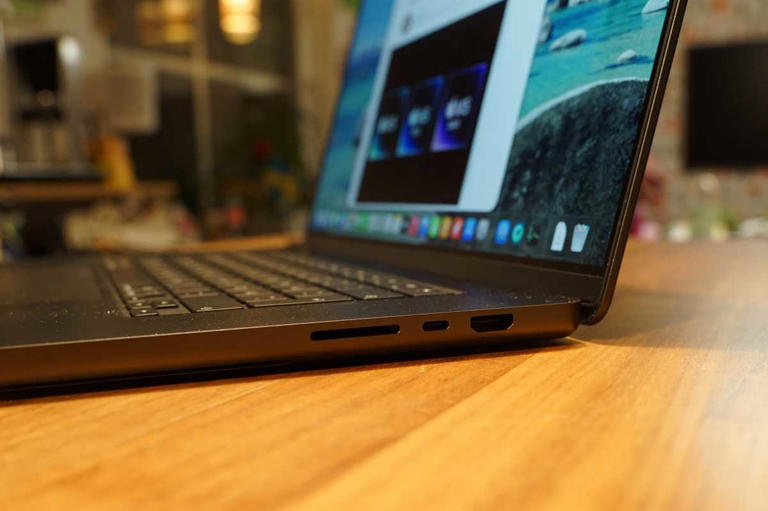
The MacBook Pro lineup is receiving its most significant update since the M1 debut. The 14- and 16-inch models will launch with the new M4 chip, featuring up to 16-core GPU and 12-core CPU configurations. Early benchmark tests from developers with access to preview units show a 40% increase in machine learning performance over the M3.
What sets the M4 apart is its support for spatial video editing. With Apple Vision Pro gaining traction among creative professionals, the new MacBook Pro will act as a primary workstation for 3D content workflows. Final Cut Pro is being updated with native tools for depth mapping, light rendering, and volumetric audio syncing—features previously limited to high-end desktop rigs.
Practical example: A documentary filmmaker shooting spatial video on iPhone 16 can now import, edit, and render in Dolby Atmos directly on a MacBook Pro, all without transcoding delays. This kind of pipeline optimization is what separates Apple’s roadmap from competitors playing catch-up.
One limitation: the base 512GB SSD option may struggle with large spatial projects. Users working in video should consider upgrading to 1TB or more—especially since external storage still can’t run scratch disks for Final Cut efficiently.
Apple Watch Takes a Leap in Health Monitoring
While not always included in “ultra” discussions, the Apple Watch is quietly becoming the centerpiece of Apple’s long-term health strategy. The next-gen Ultra 2 and standard Series 10 models will debut with non-invasive glucose monitoring and advanced hydration tracking—made possible by a new multi-wavelength sensor array.
This isn’t speculative. Regulatory filings in the EU and Canada confirm Apple has submitted medical device certifications for glucose prediction algorithms. The feature won’t replace blood tests but will offer trend analysis for at-risk users.
For developers, this opens a new tier of health app integration. Imagine a fitness app that adjusts workout intensity based on real-time hydration and glucose levels. Or a nutrition tracker that syncs with your watch to suggest meals when your levels dip.
But caution is warranted. False positives could cause anxiety, and not all users will qualify for early access. Apple will likely roll this out through a phased opt-in program with physician notifications—similar to the AFib history feature.
iPad Pro: The Desktop Challenger Reimagined
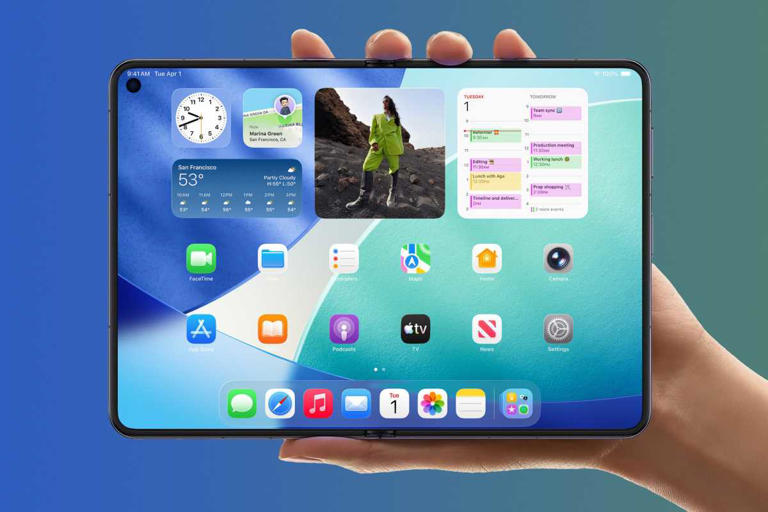
The new iPad Pro is shedding its “just a big iPhone” stigma. With the M4 chip and a radical redesign—featuring edge-to-edge OLED display and zero bezels—it’s positioned as a true laptop replacement for specific workflows.
Two use cases stand out: - Field designers using 3D modeling apps like Shapr3D with Apple Pencil hover detection for precision adjustments. - Remote educators running dual-display setups with Stage Manager and external 6K monitors.
However, limitations remain. While iPadOS 18 unlocks external display support at full resolution, persistent app state across disconnects is still buggy. Users report apps reloading or windows rearranging after reconnection—a critical flaw for professionals relying on continuity.
Workflow tip: Save complex multi-display layouts as “Presets” in Settings. It’s a hidden feature that cuts setup time in half.
AirPods and the Invisible Interface
The next AirPods Pro will double down on contextual awareness. Leaked firmware reveals “Focus Beam” mode—a feature that uses beamforming mics to isolate voices in front of you during conversations, even in noisy environments. Paired with iPhone 16, it enables a new kind of hands-free interaction: look at someone, press the stem, and record or translate the conversation in real time.
For travelers and multilingual teams, this could be transformative. But battery life takes a hit—expect two hours less under heavy AI use. Apple is countering with a new charging case that supports reverse wireless charging from iPhone or MagSafe battery packs.
The Hidden Layer: Software and Services
Hardware upgrades mean little without ecosystem cohesion. iOS 18, macOS Sequoia, and visionOS 2 are being engineered as unified platforms—not just cosmetic updates.
Key integrations: - Siri overhaul: Now powered by a smaller, on-device LLM. It can manage multi-step tasks like “Reschedule my 3 PM meeting, notify the team, and move the Zoom link.” - Continuity across Vision Pro: Drag a MacBook window into your AR space and resize it mid-air. - Private Cloud Compute: A new Apple data center architecture that processes sensitive AI requests (like health data) without storing them.
Developers are being pushed to adopt Apple’s new “Intelligence API” suite. Early feedback suggests steep learning curves, but the payoff is deeper integration with system-level AI features.
Why This Roadmap Changes Everything
Apple isn’t just releasing new products. It’s building a self-reinforcing ecosystem where each device enhances the others. The iPhone becomes the identity hub. The MacBook becomes the creation engine. The Watch monitors health. The AirPods handle ambient input. And Vision Pro—still niche but growing—acts as the portal to spatial computing.
This level of integration is unmatched. Samsung has the hardware. Google has the AI. But only Apple controls the full stack—silicon, OS, apps, and services.
Consider a realistic scenario: You start a workout with Apple Watch tracking heart rate and hydration. Your AirPods play adaptive audio based on exertion. Post-workout, iPhone suggests a smoothie recipe and syncs it to your HomePod. You edit a video of the session on MacBook Pro using AI-generated highlights, then share it in 3D via Vision Pro. Every step is connected.
Competitors still treat devices as siloed products. Apple treats them as nodes in a network. That’s the real meaning of “ultra.”
What to Watch For—and When
Timeline for key releases: - iPhone 16 series: September launch, with pre-orders featuring AI features in select regions - MacBook Pro with M4: October or November, likely event-focused on creatives - Apple Watch Series 10 and Ultra 2: September alongside iPhone - Next-gen AirPods Pro: Early 2025, possibly with health certification delays - iPad Pro (M4, OLED): March or April 2025 refresh
Supply chain reports indicate Apple is prioritizing yield rates for the M4 and A18 chips—delays in TSMC’s N3E production could push some launches by 4–6 weeks. But given Apple’s influence, expect minimal disruption.
Prepare for the Shift
Apple’s ultra roadmap isn’t optional for users invested in the ecosystem—it’s inevitable. The convergence of AI, health, and spatial computing will redefine what personal devices can do.
To stay ahead: - Upgrade to iCloud+ for expanded Private Cloud access - Explore Xcode beta tools if you’re a developer - Test current Continuity features to understand workflow gaps - Consider delaying MacBook or iPad purchases if you’re due for an upgrade
This isn’t the future. It’s the next phase—and it’s already in motion.
Frequently Asked Questions
Will the new iPhone work with older AirPods? Yes, but AI-powered features like Focus Beam and real-time translation require the upcoming AirPods Pro model.
Can the M4 MacBook Pro run Windows via Boot Camp? No. Apple has discontinued Boot Camp support. Use virtualization apps like Parallels instead.
Is non-invasive glucose monitoring available at launch? Likely limited to a beta program in select regions. Full rollout may take 12–18 months.
Does the new iPad Pro support Stage Manager with external displays? Yes, but apps must be updated. Some third-party apps may not maintain window states after disconnect.
Will iOS 18 AI features work offline? Most core features will, as they rely on on-device processing. Cloud-dependent functions require connection.
FAQ
What should you look for in Apple’s Ultra Roadmap Confirmed: iPhone, MacBook, and More? Focus on relevance, practical value, and how well the solution matches real user intent.
Is Apple’s Ultra Roadmap Confirmed: iPhone, MacBook, and More suitable for beginners? That depends on the workflow, but a clear step-by-step approach usually makes it easier to start.
How do you compare options around Apple’s Ultra Roadmap Confirmed: iPhone, MacBook, and More? Compare features, trust signals, limitations, pricing, and ease of implementation.
What mistakes should you avoid? Avoid generic choices, weak validation, and decisions based only on marketing claims.
What is the next best step? Shortlist the most relevant options, validate them quickly, and refine from real-world results.


