
When a national news program chooses to broadcast the words of an alleged political extremist, it doesn’t just report the news—it shapes the narrative. That’s exactly what happened when 60 Minutes aired excerpts from the manifesto of an alleged gunman linked to a foiled plot targeting former President Donald Trump. But the real story wasn’t just in the manifesto—it was in Trump’s furious response to the anchor who read it.
Trump didn’t hold back. In a series of social media posts and public comments, he launched a blistering attack not at the gunman, but at the 60 Minutes anchor, accusing the journalist of giving a dangerous platform to a would-be assassin. The backlash ignited a firestorm over media ethics, free speech, and the unspoken rules of political coverage in an age of polarization.
This isn’t just about one segment. It’s about what happens when news outlets confront extremism—and whether amplifying a manifesto, even to condemn it, becomes complicity in the eyes of the public.
The Moment That Sparked the Fire
The controversy began during a primetime 60 Minutes segment investigating a domestic terrorism case. The alleged gunman had drafted a lengthy manifesto outlining extremist views, personal grievances, and political motivations—many of which referenced Trump directly. In the course of the report, the anchor, in a sober tone, read several passages aloud to illustrate the suspect’s mindset.
To the producers, it was journalism: context through primary source material. To Trump, it was treason by microphone.
Within hours, Trump’s team released a statement calling the broadcast “a disgrace” and accusing the anchor of “glorifying a criminal” and “spreading the same hate they claim to oppose.” The former president doubled down on Truth Social, writing: “They gave him airtime. They gave him a voice. And who benefits? Not the public. Not safety. Only the radicals and the ratings.”
The anchor, known for hard-hitting interviews and investigative rigor, offered no immediate response. But inside CBS, sources say editorial teams were bracing for backlash—knowing full well the risks of airing such material.
Why Reading a Manifesto Is Never Neutral
Broadcasting a terrorist’s manifesto—even with critical commentary—walks an ethical tightrope. News organizations often justify it by citing the public’s right to know. But the reality is more complex.
Consider the 2011 Norway attacks. When Anders Breivik’s 1,500-page manifesto surfaced, major outlets faced intense scrutiny over whether to publish excerpts. The BBC chose limited quotes for analytical context. The Guardian published the full document online, arguing transparency was crucial. The decision sparked global debate—and copycat threats.
Similarly, in the 2019 Christchurch mosque shooter case, New Zealand’s government banned the manifesto’s distribution, calling it a “terrorist propaganda tool.” Media there followed strict guidelines, avoiding direct quotes and refusing to name the shooter.
In the U.S., no such legal restrictions exist. So when 60 Minutes aired the gunman’s words, they operated within legal rights—but not necessarily public trust.
Trump seized on this gap. “They say they’re warning us,” he argued, “but they’re repeating his lies like a sermon.”
The Media’s Dilemma: Inform or Infect?
Newsrooms face a daily calculation: how much of a violent extremist’s message should be shared, and in what form?

Too little, and the public misses vital context. Too much, and the media risks amplifying dangerous ideologies. The anchor’s decision to read verbatim passages—rather than summarize—became the focal point of criticism.
Experts are divided. Some, like media ethicist Dr. Lena Pruitt, argue that “direct quotes, when properly framed, expose the faulty logic and delusions behind extremist manifestos.” Others, like former FBI profiler Mark Tolbert, warn that “verbatim delivery can act as a recruitment tool, especially when the speaker is framed as articulate or justified.”
The 60 Minutes segment included disclaimers, fact checks, and expert analysis. But visuals matter. Seeing a respected journalist deliver the words in a calm, authoritative tone can unintentionally lend credibility—even when the intent is the opposite.
As one viewer noted online: “I didn’t agree with the gunman’s views, but hearing them spoken calmly made them sound… reasonable for a second. That’s terrifying.”
Trump’s Strategy: Attack the Messenger
Trump’s response follows a well-worn pattern: deflect blame, discredit the media, and cast himself as the victim of elite bias. This time, he didn’t just criticize the content—he targeted the anchor personally.
Calling the journalist “a voice for radicals” and “part of the problem,” Trump shifted focus from the gunman’s pathology to the network’s motives. It’s a classic rhetorical maneuver—turn a story about violence into one about media overreach.
And it works.
Polling data from the past decade shows a steady decline in trust toward major news outlets—especially among conservatives. By attacking the anchor, Trump taps into that distrust, reinforcing his “us vs. them” narrative.
But there’s danger in that approach. When political figures delegitimize journalism wholesale, it erodes a critical institution. And in cases involving threats to public figures, that erosion can have real-world consequences.
As one Capitol Police analyst noted off the record: “When leaders say the press is the enemy, it doesn’t just affect ratings. It affects how unstable individuals see legitimacy. And that changes threat assessments.”
The Role of Intent in Ethical Reporting
Was 60 Minutes irresponsible? Or was it fulfilling its duty?
Intent matters. The segment wasn’t a tribute. It included interviews with law enforcement, psychologists, and victims’ advocates. The manifesto was presented as evidence—not ideology.
But impact often outweighs intent.
Consider the Unabomber. When the Washington Post published Ted Kaczynski’s manifesto in 1995, it was to help identify him. His brother recognized the writing and tipped off the FBI. The move was controversial—but ultimately credited with ending a 17-year terror campaign.
In this case, CBS likely hoped to achieve something similar: expose the roots of radicalization, warn the public, and assist law enforcement. Yet the absence of a clear public safety justification—like an ongoing manhunt—made the decision harder to defend.
One red flag: the gunman was already in custody. The manifesto wasn’t breaking news. It was historical evidence. That changes the ethical calculus.
A better approach might have been selective quotation, visual redaction, or using voice-altering effects to distance the delivery from the anchor’s authority. Some newsrooms now use these tactics to minimize glorification risk.
What This Means for Future Coverage
This incident sets a precedent—for journalists and politicians alike.
For media: The line between reporting and platforming is thinning. Networks may now rethink how they handle extremist texts, especially when tied to living political figures. Expect more redaction, more third-party analysis, and fewer verbatim readings.
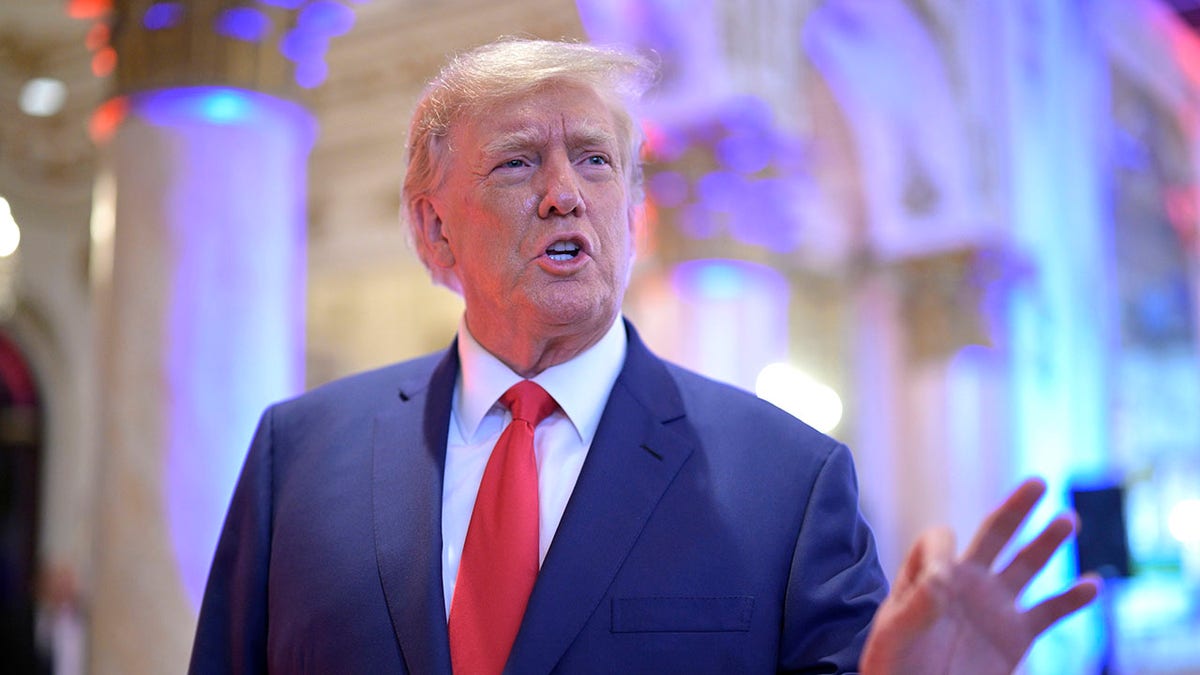
For public figures: The reflex to attack the messenger undermines accountability. If every critical report is labeled “dangerous,” actual threats may be dismissed as political noise.
And for the public: media literacy is no longer optional. Recognizing when a news segment is analyzing hate versus transmitting it requires critical engagement. Viewers must ask: - Who gains from this message being shared? - Is the source being humanized or condemned? - Are alternative perspectives included?
Without these filters, audiences risk internalizing propaganda—even when it’s delivered in the name of journalism.
The Bigger Picture: Violence, Speech, and Responsibility
At its core, this controversy isn’t about one broadcast. It’s about how society handles the toxic intersection of political rhetoric, mental illness, and media power.
Trump, a frequent target of violent threats, has long used combative language himself—calling critics “vermin,” urging supporters to “fight like hell,” and refusing to condemn extremist groups outright. That context shapes how his followers interpret both threats and media coverage.
Meanwhile, networks like 60 Minutes operate under pressure to deliver scoops in a competitive landscape. But with great reach comes great responsibility. When a program with decades of credibility lends its voice to a killer’s words—even critically—it risks becoming part of the story in ways it can’t control.
There are no clean answers. But there are better practices.
Newsrooms should adopt manifesto-handling protocols: - Consult law enforcement before airing content - Avoid naming or showing the perpetrator prominently - Use edited excerpts, not full readings - Include immediate counter-narratives from experts - Issue viewer warnings for disturbing material
And public figures should resist the urge to weaponize media ethics for political gain. Condemning violence shouldn’t come with a side of conspiracy.
Closing: Navigate the Noise
with Skepticism and Clarity
The fallout from Trump’s attack on the 60 Minutes anchor reveals a fractured information ecosystem—where journalism is scrutinized not just for accuracy, but for perceived allegiance.
Moving forward, consumers of news must stay sharp. Demand transparency. Question presentation. Recognize when outrage is performative and when it’s principled.
And for media leaders: exercise restraint. Not every document needs to be read. Not every voice deserves amplification—even in condemnation.
Because in the battle for truth, the method matters as much as the message.
FAQ
Why did Trump attack the 60 Minutes anchor instead of the gunman? Trump often redirects criticism toward media figures to frame himself as a victim of biased coverage, reinforcing his base’s distrust in mainstream outlets.
Did 60 Minutes break any rules by reading the manifesto? No ethical or legal rules were broken, but the decision remains controversial due to concerns about amplifying extremist views.
Can broadcasting a manifesto inspire copycat attacks? Studies suggest it can, especially when the perpetrator is named, quoted extensively, or portrayed as ideologically motivated.
What should news outlets do when dealing with extremist manifestos? Summarize key points, avoid verbatim readings, include expert analysis, and prioritize public safety over sensationalism.
Has Trump faced similar threats before? Yes—multiple incidents, including a 2017 shooting at a congressional baseball practice and several intercepted plots, have targeted him.
How do other countries handle manifesto coverage? Many, like New Zealand and Germany, restrict or ban distribution of extremist manifestos to prevent propaganda spread.
Is free speech absolute in media reporting? Legally, yes—but ethical journalism often involves self-imposed limits to prevent harm, even when speech is protected.
FAQ
What should you look for in Trump Slams 60 Minutes Anchor Over Manifesto Reading? Focus on relevance, practical value, and how well the solution matches real user intent.
Is Trump Slams 60 Minutes Anchor Over Manifesto Reading suitable for beginners? That depends on the workflow, but a clear step-by-step approach usually makes it easier to start.
How do you compare options around Trump Slams 60 Minutes Anchor Over Manifesto Reading? Compare features, trust signals, limitations, pricing, and ease of implementation.
What mistakes should you avoid? Avoid generic choices, weak validation, and decisions based only on marketing claims.
What is the next best step? Shortlist the most relevant options, validate them quickly, and refine from real-world results.


